Services

Petroleum storage and logistics services

Operational support across marine handling, product transfer, storage management and distribution logistics tailored to commercial and technical requirements.

Maintenance specialists working on petroleum terminal transfer equipment
Services / ExecutionTechnical capability behind dependable product movement

01

Crude Oil Storage

Storage capacity and transfer systems are structured to support disciplined handling of crude volumes in a controlled terminal environment.

03

Marine Fuel Bunkering

Fuel supply arrangements align operational schedules with berth activity and marine demand in a safe and coordinated environment.

02

Refined Product Storage

Refined product handling supports flexibility, commercial continuity and product integrity across terminal operations.

04

Fuel Blending

Controlled blending processes respond to product specifications and quality requirements within the terminal operation model.

05

Integrated Logistics

Delivery, transfer and coordination activities are managed to support continuity between storage, distribution and customer requirements.

06

Digital Terminal

Operational visibility and workflow coordination enhance receiving, scheduling and distribution support.

More than storage

An integrated platform for petroleum movement.

Modern petroleum logistics demands more than available tank capacity. Cargo must move safely from vessel to berth, through transfer infrastructure, into designated storage and onward to its next destination with coordination at every stage.

Aoshan brings these operational elements together within one terminal environment. Marine access, petroleum storage, product transfer, bunkering, blending and logistics coordination work as connected capabilities rather than isolated services.

For customers, this creates an operating environment designed around the complete movement of product — from arrival at the terminal through storage, handling and onward distribution.

Marine Access

Infrastructure supporting the receipt and handling of petroleum cargo arriving by sea.

Storage Infrastructure

Large-scale tank storage supporting crude oil, petroleum products and related logistics activity.

Integrated Operations

Coordinated terminal processes connecting vessels, transfer infrastructure, tanks and onward movement.

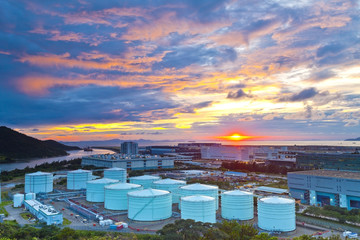
Petroleum storage tanks connected to terminal processing and transfer areas
Storage servicesTank infrastructure supporting planned petroleum movements
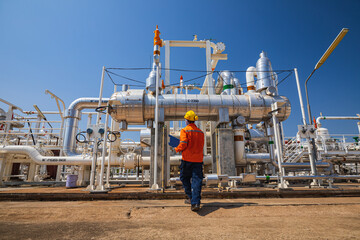
Terminal operator walking beside pumps, valves and petroleum transfer pipework
Integrated operationsPeople and equipment coordinating product handling

Why Aoshan

Infrastructure selected for more than storage capacity.

Choosing a terminal affects the wider petroleum supply chain. Location, marine access, storage capability, transfer infrastructure and operational coordination all influence how efficiently a cargo can move.

01

Strategic Maritime Position

Aoshan is positioned within Zhoushan's established petroleum and maritime logistics environment, connecting terminal infrastructure with major coastal shipping activity.

02

Large-Scale Infrastructure

The terminal environment supports significant petroleum storage and marine transfer operations designed around large cargo movements.

2.97 million m³ total tank capacity

03

Large Vessel Capability

Marine infrastructure supporting major tanker operations gives customers flexibility when planning substantial petroleum cargo movements.

300,000 DWT capability

04

Integrated Services

Storage, marine handling, bunkering, blending and logistics coordination are supported within one connected terminal environment.

05

Operational Experience

Decades of terminal and petroleum logistics activity provide an operational foundation shaped by real infrastructure requirements.

Operating since 1990

06

Evolving Energy Services

Aoshan's established petroleum infrastructure can also support the changing requirements of marine fuels and evolving energy markets.

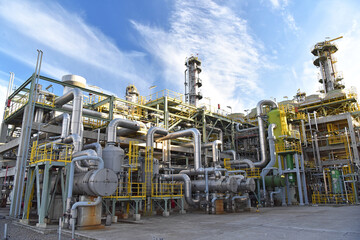
Dense network of petroleum pipelines, pumps and terminal valves
Product transferPhysical systems behind handling and fuel blending services
Coastal petroleum storage terminal with tanks and marine access
Integrated logisticsStorage infrastructure connected to the maritime supply chain
Petroleum transfer pipelines connecting terminal infrastructure at sunset

The Aoshan advantage

Infrastructure creates greater value when every part works together.

A tank farm alone does not create an effective terminal. A marine berth alone does not create an efficient supply chain. Transfer systems only deliver their full value when storage, scheduling, marine operations and onward logistics are coordinated around the same cargo movement.

Aoshan's service proposition is built around the connection between these elements.

01

Sea

Marine cargo approaches the Zhoushan terminal environment.

02

Berth

Vessel arrival and berth activity are coordinated.

03

Transfer

Product moves through controlled transfer infrastructure.

04

Storage

Cargo enters designated petroleum storage.

05

Blending

Approved product handling can support required specifications.

06

Bunkering

Marine fuel activity connects storage with vessel demand.

07

Distribution

Product continues to its approved onward destination.

Marine access, storage, product handling and logistics coordination working as one operating environment.

Customer-focused operations

Different cargo movements require different operating plans.

Petroleum logistics rarely follows one standard pattern. Product type, cargo size, vessel timing, required storage duration and onward movement can vary significantly from one operation to another.

Aoshan's commercial approach begins with understanding the movement the customer needs to accomplish and aligning the relevant terminal capabilities around that requirement.

01

Understand

Define the product, expected volume, timing, vessel requirements, storage requirement and intended onward movement.

02

Plan

Align relevant terminal resources and operational requirements around the proposed cargo movement.

03

Execute

Coordinate receipt, transfer, storage and related terminal activities.

04

Continue

Support the next approved stage of the logistics chain, whether marine transfer, bunkering, storage movement or onward distribution.

Who we support

Infrastructure for organizations moving energy across markets.

Oil & Energy Companies

Petroleum companies requiring marine-connected storage, handling and logistics infrastructure.

Commodity Traders

Traders managing cargo timing, inventory positions and petroleum movements across markets.

Shipowners & Operators

Marine operators requiring access to petroleum logistics and marine fuel infrastructure.

Bunker Suppliers

Organizations involved in marine fuel storage, supply and distribution.

Refiners & Product Suppliers

Producers moving crude oil or petroleum products through storage and distribution networks.

Logistics Partners

Companies coordinating petroleum cargo across regional and international supply chains.

Operational confidence

Every cargo movement depends on coordination.

Terminal operations require vessels, storage, transfer systems, operational teams and logistics planning to work together.

Vessel schedules must align with berth operations. Transfer activities must align with tank availability. Storage planning must align with product requirements. Onward logistics must align with the customer's commercial schedule.

01

Plan Carefully

Operational preparation begins before cargo arrival.

02

Handle Responsibly

Safety and asset integrity remain fundamental to petroleum operations.

03

Maintain Visibility

Clear operational communication supports better decision-making around cargo movements.

04

Coordinate Continuously

Terminal activities should connect each stage of the operation rather than treating them as isolated events.

Safety built into service

Responsible operations are part of every service.

Petroleum storage and marine transfer require disciplined operating procedures, asset integrity, emergency preparedness and continuous attention to risk.

Safety should therefore not sit beside the service offering as a separate marketing statement. It forms part of how petroleum operations are planned, coordinated and performed.

Marine Safety

Vessel movement, berthing and marine activity are addressed through coordinated operating controls.

Product Transfer Controls

Transfer activities rely on defined procedures, communication and disciplined execution.

Asset Integrity

Inspection, maintenance and equipment discipline support reliable petroleum operations.

Emergency Preparedness

Preparedness frameworks support coordinated response to marine and terminal scenarios.

Environmental Protection

Operational discipline supports responsible handling and reduced avoidable environmental impact.

Workforce Safety

Training, supervision and clear responsibilities support safer work across terminal activities.

Infrastructure behind the service

Services supported by physical capability.

Commercial service is only as strong as the infrastructure supporting it. Aoshan's petroleum logistics environment brings together the physical systems required to receive, store, handle and move energy products.

Large petroleum transfer pipelines supporting terminal storage and product movement

Physical systems

Infrastructure across the operation

  • Storage tanks
  • Marine berth infrastructure
  • Transfer pipelines
  • Pump systems
  • Terminal control facilities
  • Bunkering-related infrastructure
  • Emergency response capability

Technical data pending official confirmation.

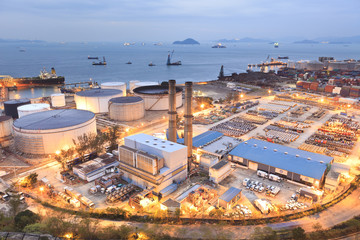
Aerial view of a marine-connected petroleum storage terminal within a major coastal logistics region

Strategically positioned

Zhoushan connects petroleum infrastructure with maritime trade.

Terminal location is itself an operational and commercial capability.

Aoshan's position within the Zhoushan maritime and petroleum environment connects storage and terminal infrastructure with established shipping activity, marine fuel markets and China's coastal energy logistics network.

This positioning supports both physical product storage and the wider movement of petroleum cargo through a strategically important maritime region.

Start a conversation

Your next cargo movement starts with the right infrastructure.

Whether you are evaluating petroleum storage, planning a marine cargo, coordinating bunker supply or considering a longer-term logistics requirement, start by discussing the operation with our commercial team.

Share the product, expected volume, vessel requirements and preferred timing so the operational requirement can be evaluated.