About

Aoshan’s role in regional energy logistics

Aoshan Oil Terminal is a subport of Zhoushan. Aoshan port area is a bonded fuel oil transport hub in the China (Zhejiang) Pilot Free Trade Zone with an annual throughput of 40 million metric tons of oil products. Nearly 9,000 oil tankers call at the port every year.

Our role extends beyond physical storage. Terminal operations connect vessels, transfer systems, tanks, operational teams and logistics processes into one coordinated environment designed around the safe and efficient movement of petroleum products.

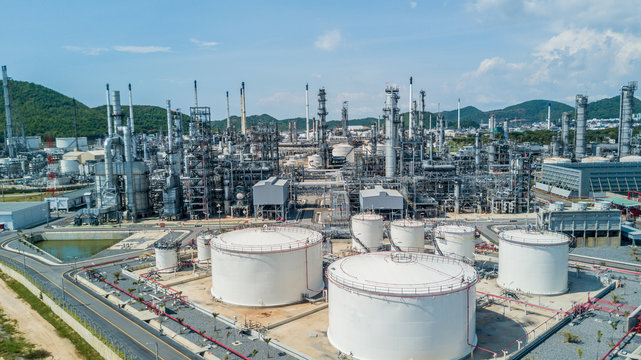
Wide view of Aoshan energy infrastructure and refinery operations
Company / ZhoushanInfrastructure positioned for regional energy trade

Company overview

Strategic storage and marine infrastructure

Aoshan Oil Terminal operates at the intersection of marine handling, storage and product logistics. Its role is to support the safe and efficient flow of petroleum products from vessel to storage and onward to market demand.

Located in Zhoushan, Zhejiang, the terminal benefits from a maritime setting that is commercially significant for petroleum storage and regional logistics coordination.

Aoshan Oil Terminal is a subport of Zhoushan. The Aoshan port area is a bonded fuel oil transport hub in the China (Zhejiang) Pilot Free Trade Zone, with annual oil-product throughput of approximately 40 million metric tons and nearly 9,000 oil-tanker calls annually.

Independent location references: Shipnext Dredgepoint
Published operating context: China Belt and Road Portal

Operating context

Zhoushan maritime position

  • Energy logistics gateway
  • Marine terminal operations
  • Petroleum storage
  • Regional trade support

History

Operational foundation

  • 1990 — Foundation
    The operating company associated with Aoshan's petroleum logistics activities was established in 1990, beginning a long period of infrastructure development around oil storage and marine transfer operations.
  • 2000 — Growing Transit Role
    By the beginning of the new century, Aoshan had developed into a significant oil transit location supporting substantial storage capacity and tanker operations.
  • 2018 — Bonded Fuel Blending Milestone
    Aoshan became associated with an important bonded fuel-oil blending operation, reflecting its growing role within Zhoushan's marine fuel ecosystem.
  • 2022 — Capacity Expansion
    Expansion activity increased total tank capacity to approximately 2.97 million m³, strengthening the terminal's role in storage and marine fuel logistics.
  • 2023 — Marine Biofuel Development
    Biofuel bunkering activity demonstrated how established petroleum infrastructure can support emerging marine fuel requirements.
  • Today
    Aoshan continues to combine conventional petroleum logistics with digitalization, operational modernization and evolving marine-fuel services.

Mission

Reliable infrastructure, disciplined operations

Our mission is to provide dependable infrastructure support for petroleum handling in a safe, transparent and technically disciplined operating environment. The focus remains on continuity, coordination and professional execution.

That requires marine activity, product transfer, tank allocation, operational information and onward logistics to be considered as parts of the same cargo movement.

Commercial confidence begins with clear operating requirements and an honest understanding of the infrastructure available to support them.

  • Marine and terminal coordination
  • Responsible product handling
  • Asset integrity and operational control
  • Clear information across each movement

Location

Zhoushan, Zhejiang

Strategically positioned within a maritime and industrial corridor that supports national energy distribution, marine operations and storage continuity.

Infrastructure

Tank, berth and transfer systems

The terminal model combines asset access, storage capacity and transfer infrastructure designed for operational efficiency and controlled product management.

Values

Safety and reliability

Operational discipline, accountability and responsive management remain central to how Aoshan supports long-term energy logistics.
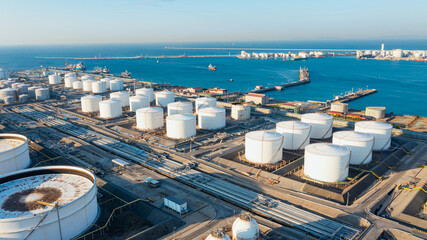
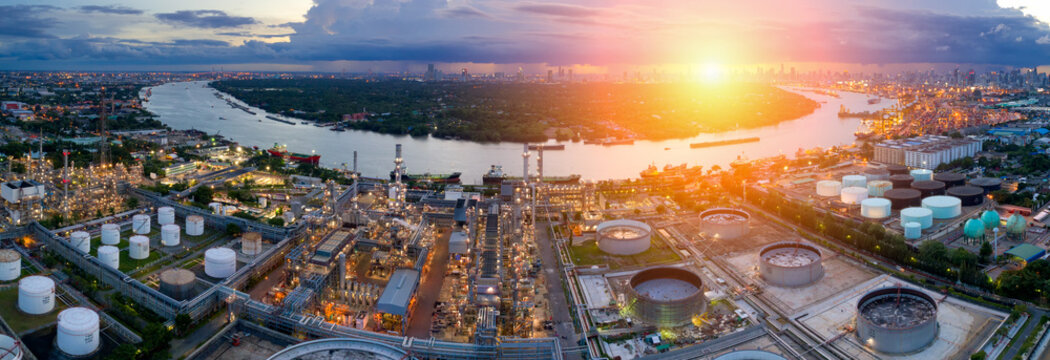
Coastal petroleum storage tanks and marine terminal infrastructure

Who we are

A petroleum terminal shaped by maritime infrastructure.

Aoshan Oil Terminal operates within one of China's important coastal petroleum and shipping regions. The terminal environment brings together large-scale storage, marine access, transfer infrastructure and logistics coordination to support the movement of petroleum products through Zhoushan.

Petroleum terminals perform a critical role between global shipping and downstream energy markets. Cargo arriving by sea must be received, transferred, stored, monitored and prepared for its next movement. Aoshan's infrastructure is positioned around these operational requirements.

This combination of marine access and storage capability allows the terminal to support petroleum logistics as a connected process rather than a collection of isolated activities.

Our role

Connecting sea, storage and onward distribution.

Every petroleum cargo moves through a chain of infrastructure. Vessels require berth access. Product requires transfer systems. Storage requires suitable tanks and operational control. Distribution requires coordination with the next stage of the supply chain.

Aoshan sits at the point where these activities come together.

01

Receive

Support the arrival and marine handling of petroleum cargo.

02

Transfer

Connect vessel operations with terminal pipelines and storage infrastructure.

03

Store

Provide large-scale storage capacity for petroleum products.

04

Coordinate

Align operational activities around cargo timing and terminal requirements.

05

Move

Support the next approved stage of the customer's logistics chain.

Aerial view of coastal petroleum storage and maritime infrastructure

Strategic location

Positioned within Zhoushan's maritime energy ecosystem.

Location is one of the most important characteristics of a petroleum terminal.

Aoshan is positioned within the Zhoushan maritime region of Zhejiang, an area strongly connected to petroleum storage, international shipping, marine fuel activity and coastal energy logistics.

The terminal's island and marine setting supports direct interaction with tanker traffic while connecting petroleum storage infrastructure to wider regional and international supply chains.

  • Maritime Access
    Direct connection to marine petroleum movements supports tanker-based logistics.
  • Coastal Energy Network
    Zhoushan's petroleum infrastructure provides an established environment for storage, transfer, bunkering and related logistics activity.
  • International Trade Position
    The wider Ningbo-Zhoushan maritime region connects Chinese energy infrastructure with international shipping routes.

Infrastructure at scale

Physical capability built for substantial petroleum movements.

Large petroleum cargoes require infrastructure capable of supporting significant volumes while maintaining coordinated marine and terminal operations.

Aoshan's infrastructure has developed around large-scale petroleum storage and marine transfer activity.

Total tank capacity2.97 million m³Petroleum storage infrastructure
Large tanker capability300,000 DWTLarge tanker / VLCC handling capability
Operational historySince 1990Established operating foundation
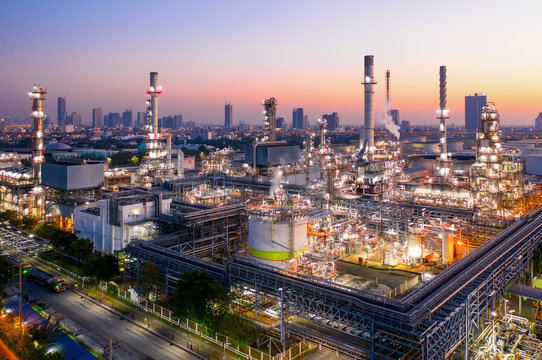
Aerial view of petroleum storage tanks integrated with processing infrastructure
Infrastructure at scaleStorage assets connected to the wider terminal system
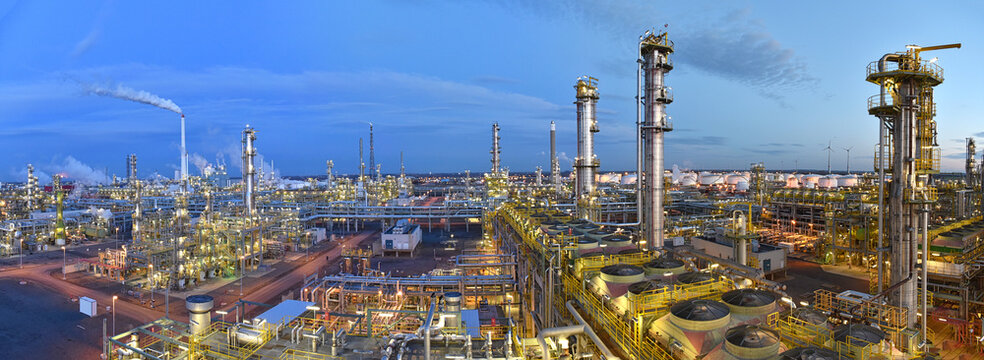
Illuminated petroleum processing and storage infrastructure viewed from above
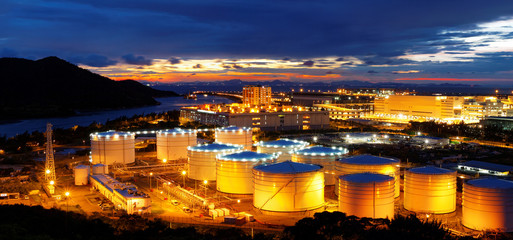
Operational continuityInfrastructure planned around continuous product movement
Illuminated petroleum tank farm and terminal infrastructure at night

Built around operations

Infrastructure matters because every movement is connected.

A petroleum terminal is not defined by tanks alone.

Effective operations depend on the interaction between marine berths, pipelines, pumps, tank infrastructure, control systems, people and logistics planning.

Each part affects the others. A vessel schedule influences berth planning. Berth activity influences product transfer. Transfer activity influences storage allocation. Storage decisions influence the customer's next movement.

01

Vessel Schedule

Arrival requirements shape marine planning.

02

Berth Activity

Marine access aligns with the operating window.

03

Transfer

Pipelines and pumps support controlled movement.

04

Storage

Tank allocation reflects product requirements.

05

Control

Information supports coordinated decisions.

06

Logistics

The next approved movement is prepared.

Aoshan's operational model is built around coordination between physical infrastructure and the people responsible for managing it.

What defines Aoshan

Built on capability, coordination and responsibility.

Infrastructure

Significant petroleum storage and marine-connected assets provide the physical foundation of the terminal.

Maritime Capability

Access to major tanker operations connects terminal infrastructure directly with seaborne energy movements.

Coordination

Terminal, marine and logistics activities are managed as connected operational processes.

Safety

Responsible petroleum operations depend on disciplined procedures, asset integrity and emergency preparedness.

Technology

Digital tools support operational visibility, scheduling and coordination across terminal activity.

Adaptability

Established energy infrastructure must continue evolving as marine fuels, regulations and customer requirements change.

How we operate

Precision in infrastructure. Discipline in operations.

Petroleum logistics leaves little room for disconnected decisions. The terminal must operate through defined procedures, clear communication and continuous coordination.

01

Plan Before Movement

Cargo handling begins with understanding operational requirements before vessel arrival.

02

Protect People and Assets

Safe operations and asset integrity are fundamental to terminal performance.

03

Maintain Operational Visibility

Information must move alongside the product so teams can coordinate effectively.

04

Improve Continuously

Infrastructure, systems and procedures should evolve as operational requirements change.

Safety culture

Safety is not separate from operations.

Petroleum storage and marine transfer involve complex physical systems, significant energy volumes and multiple operational interfaces.

Safety must therefore be integrated into planning, equipment management, workforce behavior, marine operations and emergency preparedness.

At Aoshan, the strongest safety message is not a slogan. It is the requirement that infrastructure, procedures and people work together responsibly throughout every operation.

Operational Discipline

Defined procedures and clear responsibilities support controlled terminal activity.

Asset Integrity

Inspection and maintenance discipline support dependable infrastructure performance.

Marine Safety

Vessel movement and berth activity require coordinated marine controls.

Emergency Preparedness

Preparedness connects people, procedures and response capability.

Environmental Protection

Responsible handling seeks to reduce avoidable environmental impact.

Workforce Awareness

Safe execution depends on informed decisions and attention throughout the operation.

Terminal engineer reviewing operational information beside industrial piping

People & operations

Infrastructure only performs through the people operating it.

Tanks, pipelines and marine facilities provide physical capacity, but reliable terminal operations depend on the people who plan, inspect, monitor and coordinate every movement.

Operational teams connect vessel schedules with berth activity, transfer systems with storage allocation and infrastructure performance with customer requirements.

The result is an operating environment where technology and physical assets support human decision-making rather than replacing it.

Digitally connected petroleum pipelines and terminal infrastructure

Digital evolution

Connecting physical infrastructure with better operational visibility.

Large petroleum terminals generate continuous information around vessel arrivals, tank status, cargo transfers, schedules and operational activity.

Digitalization helps bring this information together so teams can coordinate physical infrastructure with greater visibility.

Aoshan's digital development reflects a broader shift from isolated operational systems toward more connected terminal management.

Terminal Scheduling

Coordinated planning across vessel, berth and terminal requirements.

Cargo Visibility

Clearer information around cargo status and movement.

Operational Monitoring

Better awareness of infrastructure and activity status.

Marine Coordination

Shared operational information supporting marine interfaces.

Workflow Integration

Connected processes reducing isolated operational decisions.

Data-Supported Decisions

Relevant information available to support timely coordination.

Looking ahead

Established infrastructure must evolve with the energy market.

Petroleum storage and marine logistics remain essential to global trade, but the products moving through that infrastructure are changing.

Marine fuel requirements, environmental expectations, digitalization and lower-carbon fuel development are reshaping the way terminals operate.

Aoshan's long-term relevance depends on maintaining strong conventional petroleum capability while adapting infrastructure and operational systems to changing energy requirements.

Marine Biofuels

Emerging marine fuel activity demonstrates how existing terminal infrastructure can support new fuel pathways.

Operational Efficiency

Better coordination and digital visibility can help infrastructure operate more efficiently.

Environmental Responsibility

Terminal development must consider environmental management alongside commercial capability.

Our position in the supply chain

Between global shipping and the markets that depend on energy.

Petroleum products may travel thousands of kilometres before reaching their final destination. Terminals provide the infrastructure that allows these movements to be managed between voyages, markets and distribution stages.

Aoshan's role is to provide a physical and operational connection between seaborne petroleum cargo and the next stage of its supply chain.

01

Global Shipping

Petroleum cargo moves through international maritime trade.

02

Marine Terminal

Vessel and berth activity connect cargo with infrastructure.

03

Transfer

Product enters the terminal transfer system.

04

Storage

Designated tanks support controlled inventory.

05

Blending / Bunkering

Approved product and marine-fuel activity can follow.

06

Onward Logistics

The next authorized movement is coordinated.

07

Energy Market

Product continues toward downstream demand.

Commercial relevance

Infrastructure designed around real energy movements.

Energy Companies

Organizations requiring petroleum storage and marine-connected infrastructure.

Commodity Traders

Companies managing cargo timing, inventory and regional market movements.

Shipowners & Operators

Marine businesses requiring access to energy logistics and bunker-related infrastructure.

Fuel Suppliers

Organizations involved in petroleum and marine fuel supply chains.

Refiners & Producers

Companies moving crude or refined products through storage and distribution systems.

Logistics Partners

Organizations coordinating complex petroleum cargo movements.

Built on substance

Credibility comes from infrastructure, not slogans.

Customers evaluating a petroleum terminal need more than marketing language.

They need to understand where the terminal is located, what infrastructure is available, how marine operations are supported, how safety is managed and how cargo movements are coordinated.

Aoshan's story should therefore be told through its physical assets, operational history, maritime capability and evolving logistics services.

Independent references

Aoshan across maritime industry resources.

Aoshan Oil Terminal is referenced across independent maritime, port and vessel-information resources covering the Zhoushan shipping and petroleum infrastructure environment.

These external resources provide additional context for visitors researching the terminal, its maritime location and associated vessel activity.

Shipnext

Aoshan Oil Terminal — Shipnext

Independent maritime and port information resource providing external reference information relating to Aoshan Oil Terminal and the wider Zhoushan port environment.

View maritime reference

Dredgepoint

Aoshan Oil Terminal — Dredgepoint

External port-industry reference listing Aoshan Oil Terminal within its international infrastructure and port information resources.

View port reference

ShipSpotting

Aoshan Oil Terminal — ShipSpotting

Independent maritime photography documenting the oil terminal environment at Aoshan Oil Terminal in Zhoushan, China.

View maritime photograph

Independent sources are provided for additional industry context and external verification. Aoshan Oil Terminal is not responsible for the content or availability of third-party websites.

Work with Aoshan

Infrastructure becomes valuable when it supports the movement you need to make.

Whether the requirement involves petroleum storage, marine handling, bunkering, blending or integrated logistics, the next step begins with understanding the operation.