Digital terminal

Connected operations and better visibility

Digital workflows support scheduling, cargo visibility and operational coordination for safer and more predictable terminal execution.

Large petroleum terminals generate continuous information around vessel schedules, tank status, product transfers, equipment activity and logistics movements. Aoshan's digital direction brings that information closer to the people responsible for planning and operating physical infrastructure.

Better visibility supports better coordination across sea, shore, storage and distribution.

Terminal engineer reviewing operational data on a digital tablet
Digital / VisibilityBetter information for safer, more predictable execution

01

Terminal scheduling

Operational planning supports efficient berth use, transfer windows and coordinated product movement.

02

Operations monitoring

Visibility over process status and movements supports disciplined decision-making and continuity.

03

Cargo visibility

Movement tracking and status records help maintain commercial and operational transparency.

04

Marine coordination

Cross-functional visibility supports communication across shipping, transfer and logistics teams.

05

Information integration

Operational data helps connect movement, planning and facility coordination into a cohesive system.

06

Digital workflows

Formal digital processes improve the reliability and consistency of terminal execution and commercial coordination.

Connected operations

Digitalization is most valuable when it improves real operations.

Digital transformation at an oil terminal is not about replacing physical infrastructure with screens.

Tanks still store the product. Pipelines still move it. Berths still connect vessels to shore. Operators still make critical decisions.

The role of digital systems is to connect information around these assets so operational teams can work with greater visibility and coordination.

01

See

Bring operational information together so teams can understand current terminal conditions.

02

Plan

Coordinate vessel, storage and transfer requirements before product movement begins.

03

Monitor

Maintain visibility during active terminal operations.

04

Coordinate

Connect teams and workflows around the same operating picture.

05

Review

Use operational information to support continuous improvement.

Operator using a tablet while observing industrial terminal equipment
Connected operationsField information brought closer to the people using it
Two terminal personnel reviewing operating information on a digital tablet
Shared visibilityTeams coordinating around the same operational information

Operational visibility

One terminal. Many systems. One operational picture.

Large terminal operations involve multiple activities taking place at the same time.

A vessel may be approaching the berth while another cargo is transferring into storage. Tanks may be receiving product while other inventory is prepared for onward movement. Maintenance and inspection may occur alongside normal operations.

Digital terminal systems can help bring these activities into a more connected operational view.

Near-real-time or real-time functionality is subject to confirmed system capability.

Vessel Position & Schedule

Understand expected marine activity where suitable information is available.

Berth Activity

Connect terminal access with active operating requirements.

Tank Status

See relevant storage conditions within confirmed system capability.

Product Movement

Follow cargo through defined operating stages.

Transfer Progress

Support shared awareness during active movement.

Equipment Condition

Use available information to support operational awareness.

Operational Alerts

Highlight relevant changes where instrumentation permits.

Work Activity

Consider maintenance and inspection alongside operations.

Logistics Status

Connect terminal activity with the next cargo movement.

Marine coordination

Better vessel planning begins before arrival.

Marine terminal efficiency depends heavily on coordination between vessel schedules and terminal readiness.

Digital planning can support visibility around expected arrivals, berth availability, cargo requirements and transfer preparation before a vessel reaches the terminal.

Arrival Planning

Understand expected vessel timing and operating requirements.

Berth Readiness

Align berth availability with cargo and terminal conditions.

Ship/Shore Coordination

Support clear preparation between marine and terminal teams.

Schedule Visibility

Reduce disconnected communication around vessel timing.

Operational Handover

Improve continuity between planning and execution.

Tank visibility

Storage decisions require more than knowing which tanks are available.

Tank management involves product type, inventory level, expected incoming cargo, planned outgoing movement and operating compatibility.

Digital visibility can help teams understand storage positions more clearly and align tank planning with broader terminal activity.

Inventory Visibility

Organize available storage information.

Available Capacity

Support planning around confirmed storage positions.

Product Allocation

Connect product requirements with suitable tanks.

Expected Receipt

Consider incoming cargo during storage planning.

Planned Transfer

Align tank activity with intended product movement.

Tank Status

Make relevant operating conditions easier to understand.

Operational Restrictions

Keep confirmed constraints visible during planning.

Movement History

Retain useful records of previous tank activity.

Cargo movement

Follow the movement, not just the destination.

Petroleum cargo does not simply move from vessel to tank. Product may pass through loading arms, transfer lines, pumps, manifolds and multiple operating stages before reaching storage or onward distribution.

Better information around these movements helps teams understand what is happening across the terminal at each stage.

01

Vessel

Schedule, cargo requirements and marine status.

02

Berth

Readiness, access and ship/shore coordination.

03

Transfer System

Operating status and movement preparation.

04

Pipeline

Confirmed route and transfer awareness.

05

Storage

Receiving tank, inventory and capacity context.

06

Blending / Bunkering

Approved activity and product-handling status.

07

Onward Movement

Next schedule, documentation and logistics status.

Transfer operations

Product transfer depends on control, coordination and awareness.

Loading and unloading operations bring multiple pieces of infrastructure together during a time-sensitive activity.

Digital systems can support operational awareness by providing available information around transfer status, equipment condition and movement progress.

Start / Stop Status

Make confirmed transfer state visible where available.

Pump Operating State

Support awareness of relevant equipment activity.

Valve / Line Status

Display confirmed line-up information where instrumentation permits.

Movement Progress

Understand product-transfer progress within system capability.

Receiving Tank Status

Connect transfer activity with storage conditions.

Operational Alarms

Support awareness of relevant abnormal indications.

Completion Records

Retain confirmed information after transfer is complete.

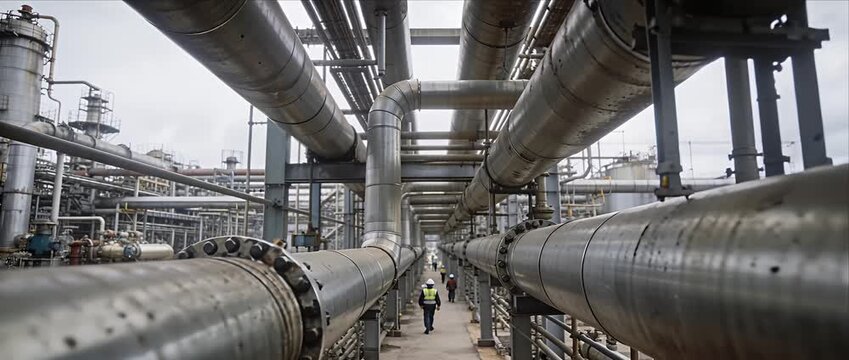
Operator moving through a large petroleum pipeline corridor
Physical movementDigital status remains grounded in pipelines, pumps and field operations
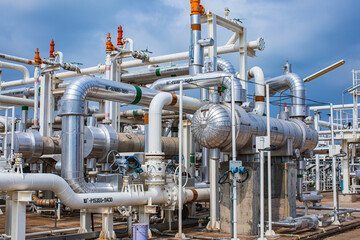
Petroleum transfer manifold with connected pipes and control valves
Transfer awarenessEquipment condition and movement status interpreted together

Control room

Where information and operations come together.

The control room represents the point where information from across the terminal can be interpreted alongside active operations.

Operators may need to understand tank conditions, transfer activity, equipment status and marine operations while maintaining communication with field teams.

Digital systems support this role by organizing operational information so people can focus on decisions rather than searching across disconnected sources.

Scheduling

Coordinate the movement before the movement begins.

Terminal operations are highly dependent on timing. Vessel arrival, berth availability, tank allocation, transfer windows, maintenance activity and onward logistics must be considered together.

Digital scheduling tools can support better planning by making dependencies more visible across the operation.

Vessel Schedule

Track expected marine activity.

Berth Schedule

Coordinate terminal access.

Storage Plan

Align tank availability with cargo movements.

Transfer Plan

Prepare product-movement sequences.

Maintenance Activity

Consider work that may affect available infrastructure.

Distribution Plan

Align onward cargo movement with terminal readiness.

Terminal operator consulting a rugged tablet beside storage infrastructure
Operational schedulingPlans connected to current field conditions
Terminal engineer reviewing digital records in front of process infrastructure
Digital workflowClearer handoffs between planning and execution

Connected workflows

Reduce disconnected handoffs between teams.

Petroleum terminal operations involve commercial, marine, operations, maintenance, HSE and logistics teams.

When information remains separated between departments, coordination becomes slower and more difficult.

Digital workflows can help connect operating steps so teams work from clearer, more consistent information.

Vessel Nomination

Connect expected vessel activity with initial requirements.

Cargo Planning

Define product, timing and movement requirements.

Tank Allocation

Coordinate storage decisions with the wider plan.

Transfer Preparation

Connect readiness information before movement.

Work Authorization

Make relevant work status visible to operations.

Operational Confirmation

Record approved steps and operating status.

Completion Records

Retain useful information after execution.

Handover

Support continuity between teams and shifts.

Customer visibility

Better operational information creates better commercial communication.

Customers need to understand cargo status without becoming involved in every internal terminal process.

Clear digital information can support more accurate communication around expected arrival, storage, transfer progress and onward movement.

Customer-facing digital services are subject to official platform capability.

Cargo Status

Communicate the confirmed stage of a movement.

Vessel Status

Share relevant planning information where available.

Storage Confirmation

Provide approved information around storage activity.

Transfer Completion

Confirm when defined movement activity is complete.

Movement Milestones

Communicate key stages without exposing internal complexity.

Documentation Status

Make supporting-record progress easier to understand.

Digital records

Operational information should remain connected after the movement is complete.

Every terminal movement creates records.

Vessel activity, cargo transfers, tank movements, inspections and operating approvals can generate important information used for coordination, review and compliance.

Digitizing these records can support stronger traceability and reduce dependence on fragmented manual processes.

Cargo Movement Records

Retain information around completed cargo stages.

Tank Movement Records

Connect storage changes with approved activity.

Operational Logs

Maintain structured records of relevant events.

Inspection Records

Keep inspection information available for review.

Work Records

Connect completed work with operating context.

Handover Information

Support continuity between responsible teams.

Supporting Documentation

Organize related information around the same movement.

Asset monitoring

Digital visibility can help teams understand equipment condition.

Reliable terminal operations depend on the continued performance of tanks, pumps, pipelines, marine systems and control infrastructure.

Where appropriate instrumentation is available, digital monitoring can support maintenance teams by improving visibility around equipment condition and operating behavior.

Pump Status

Use available state information to support awareness.

Equipment Alarms

Highlight relevant indications where supported.

Tank Conditions

Connect confirmed tank information with operations.

Pipeline Status

Support visibility around transfer infrastructure.

Electrical Systems

Organize available supporting-system information.

Marine Transfer Equipment

Bring relevant marine-interface conditions into view.

Fire Protection Systems

Make confirmed status information available where appropriate.

Utilities

Support awareness of critical terminal services.

Maintenance support

Better information supports better maintenance decisions.

Maintenance planning becomes more effective when teams can understand operating history, equipment condition and upcoming terminal requirements.

Digital records and monitoring can help maintenance activity become more coordinated with operating needs.

01

Plan

Understand upcoming maintenance requirements.

02

Prioritize

Focus resources where operational impact is highest.

03

Coordinate

Align work with terminal schedules.

04

Record

Maintain clear maintenance history.

05

Review

Use operating experience to improve future planning.

Digital HSE

Better visibility can support safer operations.

HSE performance depends on awareness of what is happening across the terminal.

Digital systems can support this awareness by connecting available operating information, equipment status and work activity.

Alarm Visibility

Bring relevant abnormal indications into view.

Work Status

Connect work activity with operating awareness.

Inspection Records

Support accessible review of completed inspections.

Equipment Conditions

Use confirmed status information where available.

Marine Coordination

Support shared awareness across vessel and shore activity.

Emergency Information

Organize relevant information for prepared response.

Environmental Observations

Retain useful operating and environmental information.

Terminal operator using a tablet during night-time industrial operations
Digital HSEOperational visibility supporting awareness across changing conditions

Operational awareness

Information matters most when conditions change.

Normal operations depend on planning. Abnormal conditions require teams to recognize what has changed and respond appropriately.

Digital systems can support operating teams by highlighting status changes, alarms or operating deviations where relevant instrumentation exists.

Alarm Awareness

Make relevant abnormal indications easier to identify.

Equipment State Change

Highlight confirmed changes in operating condition.

Transfer Interruption

Support awareness when planned movement changes.

Tank Status Change

Make relevant storage changes visible to teams.

Marine Schedule Change

Connect updated vessel timing with terminal planning.

Work-Status Updates

Keep operating teams aware of relevant field activity.

Decision support

Data should support judgment, not replace it.

Terminal operations remain dependent on experienced people.

Digital systems are most effective when they organize information and make operating conditions easier to understand.

The purpose is not to remove human decision-making. It is to provide operators, planners and managers with better information when decisions need to be made.

System integration

The value comes from connecting information.

A terminal may use different operational, marine, maintenance and business systems.

Digitalization becomes more useful when information can be viewed and coordinated across these functions rather than remaining isolated.

Marine Activity

Connect vessel context with terminal planning.

Storage

Bring tank information into the wider operating picture.

Transfer Operations

Coordinate movement status across responsible teams.

Maintenance

Align work information with available infrastructure.

HSE

Connect relevant work and condition information.

Logistics

Relate terminal activity to the next movement.

Commercial Workflow

Support clearer coordination around cargo requirements.

Documentation

Keep related records connected with operational context.

Digital logistics

Connect the terminal with the wider cargo journey.

Terminal operations are one stage within a larger logistics chain.

Vessels arrive from previous ports, cargo enters storage, and product later moves toward another vessel, bunker operation or downstream destination.

Digital logistics can support better coordination between what happens inside the terminal and what needs to happen before and after it.

ETA Visibility

Use confirmed arrival information to support planning.

Cargo Planning

Connect product requirements with terminal resources.

Inventory Planning

Consider storage position within the wider movement.

Distribution Timing

Coordinate onward activity with terminal readiness.

Vessel Coordination

Maintain shared context across marine interfaces.

Documentation

Keep supporting information aligned with cargo stages.

Stakeholder Communication

Provide clearer information across the logistics chain.

Operational efficiency

Better coordination can reduce unnecessary operational friction.

Many inefficiencies arise when information arrives late, teams work from different assumptions or infrastructure is not coordinated around the same plan.

Better digital visibility can help reduce these disconnects without replacing the operating discipline required by physical infrastructure.

Fewer Handoffs

Reduce unnecessary transfers of fragmented information.

Schedule Coordination

Align teams around shared timing.

Tank Planning

Use clearer storage information in cargo decisions.

Reduced Waiting

Use better planning to limit avoidable delay.

Resource Planning

Make more informed use of people and infrastructure.

Operational Communication

Give teams a clearer, more consistent information base.

Digital + sustainability

Better information can support more efficient use of infrastructure.

Digitalization and sustainability are connected through operational efficiency.

Better scheduling, tank planning and equipment visibility can help reduce unnecessary movement, idle operation and inefficient resource use.

Digital systems do not make petroleum infrastructure sustainable by themselves, but they can support more responsible and efficient operation.

Digital resilience

Connected infrastructure also requires responsible digital protection.

As terminal systems become more connected, digital resilience becomes increasingly important.

Operational technology and information systems should be managed with appropriate attention to access, system integrity and continuity.

Controlled Access

Limit system use to appropriate authorized roles.

System Availability

Consider dependable access to critical functions.

Operational Continuity

Connect digital protection with physical operations.

Data Integrity

Protect the reliability of information used for decisions.

Secure Configuration

Manage connected systems with appropriate discipline.

Incident Preparedness

Consider response and recovery alongside prevention.

Continuity

Digital systems should strengthen operations, not create dependency.

Critical terminal operations must remain resilient when technology, communications or external systems are disrupted.

Digital development should consider continuity, fallback procedures and operational resilience alongside functionality.

System Redundancy

Consider continuity for critical digital functions.

Backup Procedures

Prepare appropriate alternatives for disrupted systems.

Communication Continuity

Maintain operational coordination when channels change.

Manual Fallback

Preserve suitable operating capability where required.

Recovery Planning

Prepare for safe restoration of affected functions.

The connected terminal

Physical infrastructure remains the foundation. Digital systems connect it.

Physical operating layer

Product continues to move through real marine and terminal infrastructure.

01

Vessel

Marine cargo arrives.

02

Berth

Ship and shore connect.

03

Pipeline

Product moves through transfer infrastructure.

04

Tank Farm

Storage supports inventory control.

05

Control Room

Operators coordinate active conditions.

06

Logistics

The next movement is prepared.

07

Customer

Confirmed information supports communication.

Connected information layer

Useful data follows the same operating journey.

01

Schedule

Expected activity is planned.

02

Status

Readiness becomes visible.

03

Transfer Data

Available movement information is organized.

04

Inventory

Storage position informs decisions.

05

Operations

Teams interpret current conditions.

06

Movement Plan

Next steps are coordinated.

07

Visibility

Relevant information supports communication.

Our digital principles

Technology should solve operational problems.

Useful

Technology must improve a real terminal activity.

Connected

Information should move across operating functions.

Visible

Teams should be able to understand current conditions clearly.

Reliable

Critical systems must support dependable terminal operations.

Secure

Connected infrastructure requires appropriate digital protection.

Human-Centered

Digital tools should support the people making operating decisions.

Looking ahead

Building a more connected terminal over time.

Digital transformation is not a single installation.

Terminal systems, infrastructure, operating requirements and customer expectations continue to evolve.

Aoshan's digital direction focuses on continuous improvement: connecting more useful information to operations while maintaining the reliability and discipline required by physical energy infrastructure.

System Integration

Future direction may connect more useful operating information.

Operational Visibility

Continue improving how teams understand conditions.

Mobile Field Access

Consider suitable access for authorized field teams.

Customer Information

Evaluate clearer communication within confirmed platform capability.

Asset Monitoring

Expand useful condition visibility where instrumentation supports it.

Efficient Planning

Connect schedules and resources more effectively over time.

Connected infrastructure

Better information makes physical infrastructure more useful.

Aoshan's digital terminal direction connects operational information with the physical systems responsible for moving and storing energy.

The objective is clearer coordination across vessels, berths, transfer systems, tanks, operators and logistics activity.